Are Condensation In Windows The Most Effective Thing That Ever Was?
Understanding Condensation in Windows: Causes, Effects, and Solutions
Condensation on windows is a typical phenomenon experienced in numerous homes and structures. This occurrence can result in various problems, including water damage, mold growth, and deteriorating window frames. Comprehending the causes of condensation and how to handle it is vital for keeping healthy indoor air quality and lengthening the life-span of windows. This short article explores the science behind condensation, its impacts, and efficient techniques for prevention and management.
What is Condensation?
Condensation occurs when water vapor in the air cools and becomes liquid water. This procedure is affected by temperature and humidity levels in the environment. When warm air, which can hold more moisture, enters contact with a cooler surface (like a window glass), it cools down. If the air's temperature drops listed below its humidity, the moisture condenses on the glass, forming beads of water.
Table: Key Factors Contributing to Window Condensation
Element
Description
Temperature
Chillier surfaces lead to increased condensation.
Humidity
Higher indoor humidity levels increase moisture potential.
Air Circulation
Poor circulation can cause localized areas of cool air.
Window Type
Double or triple-glazed windows are less susceptible to condensation.
Weather
External weather condition affects indoor temperature and humidity.
Causes of Condensation in Windows
Several elements contribute to condensation forming on windows. The primary causes consist of:
High Indoor Humidity: Cooking, bathing, drying clothing, and even breathing contribute to indoor humidity levels. Excessive moisture in little, improperly ventilated spaces is a prime condition for condensation.
Temperature Difference: When warm air inside a space meets the cold surface of a window, condensation can take place. Double Glazed Window Repairs is particularly evident throughout cold weather when indoor temperatures might be considerably warmer than outdoor temperature levels.
Air Tightness: Modern homes are often built with a focus on energy effectiveness, leading to tight construction. While this prevents heat loss, it likewise restricts airflow and can cause moisture to develop inside.
Insulating Properties of Windows: Older single-pane windows are particularly prone to condensation due to the fact that they do not have the insulating homes of modern-day double or triple-glazed windows. This can make them cold adequate to promote condensation during cooler months.
Diagram: How Condensation Forms on Windows
- Warm, damp air rises in the room.
- The warm air cools as it satisfies the cold glass.
- Humidity condenses into small droplets of water on the surface area of the glass.
Results of Window Condensation
While condensation is a natural procedure, it can have detrimental impacts if not handled effectively. Some of these results include:
- Mold Growth: Persistent moisture can lead to mold, which can negatively affect health and require pricey removal.
- Damage to Window Frames: Wood window frames can warp or rot due to prolonged exposure to moisture.
- Peeling Paint and Wallpaper: Excess moisture can damage paint and wallpaper, resulting in peeling and destruction.
- Minimized Visibility: Condensation can hinder presence through windows, diminishing the aesthetic appeals of an area.
Handling and Preventing Window Condensation
Handling condensation needs a multi-faceted method. Here are several techniques to lessen its event:
1. Control Indoor Humidity
- Usage Exhaust Fans: Installing exhaust fans in cooking areas and bathrooms can help remove excess moisture.
- Dehumidifiers: Using a dehumidifier can significantly minimize humidity levels, particularly in locations susceptible to moisture.
- Houseplants: Limit the variety of houseplants, as they release moisture into the air.
2. Enhance Air Circulation
- Open Windows: Occasionally opening windows can help promote much better air flow and reduce moisture build-up.
- Usage Ceiling Fans: Ceiling fans can assist flow air and keep constant temperature level throughout a space.
3. Upgrade Windows
- Set Up Double or Triple-Glazed Windows: These kinds of windows supply much better insulation, lessening the temperature level difference between the outdoors and inside surfaces.
- Apply Window Treatments: Insulating window movie or thermal curtains can assist keep indoor temperature.
4. Insulation
- Insulate Walls and Attics: Proper insulation of walls and attics can assist maintain a more steady indoor temperature, reducing the occurrence of condensation.
Table: Prevention Strategies for Window Condensation
Strategy
Description
Humidity Control
Utilize exhaust fans, dehumidifiers, and limit houseplants.
Air Circulation
Open windows and use ceiling fans to enhance airflow.
Window Upgrade
Consider installing double or triple-glazed windows.
Insulation
Ensure appropriate insulation in walls and attics.
Condensation on windows is a natural occurrence that can posture substantial difficulties if not dealt with effectively. By comprehending its causes and impacts and carrying out proactive techniques, property owners can lessen the dangers associated with window condensation. Keeping proper humidity levels, enhancing air circulation, updating windows, and guaranteeing proper insulation are all vital tasks in maintaining not only the health of indoor environments however also the longevity of windows.
Frequently Asked Questions About Window Condensation
**Q1: Is condensation on windows a sign of a serious problem?A: Not necessarily. Condensation can happen for various factors, but persistent moisture can cause bigger problems like mold, so it's crucial to handle it effectively. Q2: How can I inform if my windows are the cause of indoor humidity?A: If
condensation kinds mainly on your windows and no other surface areas, it's
often an indicator that your windows are considerably chillier than the air inside your home. Q3: Will opening windows in winter aid decrease condensation?A: Yes, opening windows periodically can assist enable moist air to escape, reducing the general humidity levels in the home. In conclusion, while condensation on windows can be a discouraging concern for house owners, comprehending the science behind it allows better management and prevention strategies. By adopting thoughtful practices, individuals can create a more comfy living environment while likewise protecting their homes. 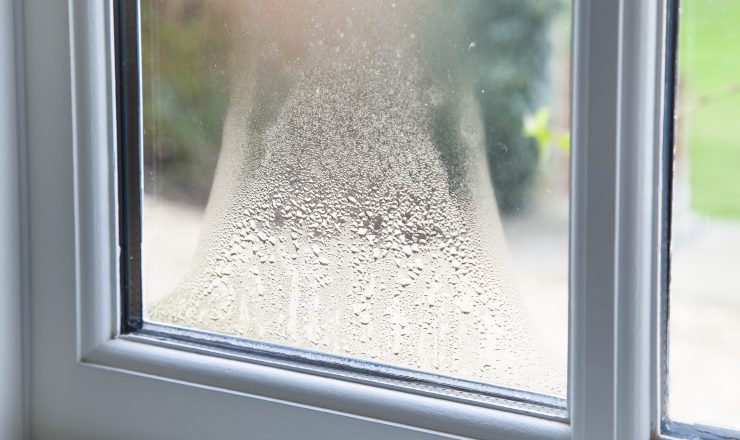 **
**